Categories
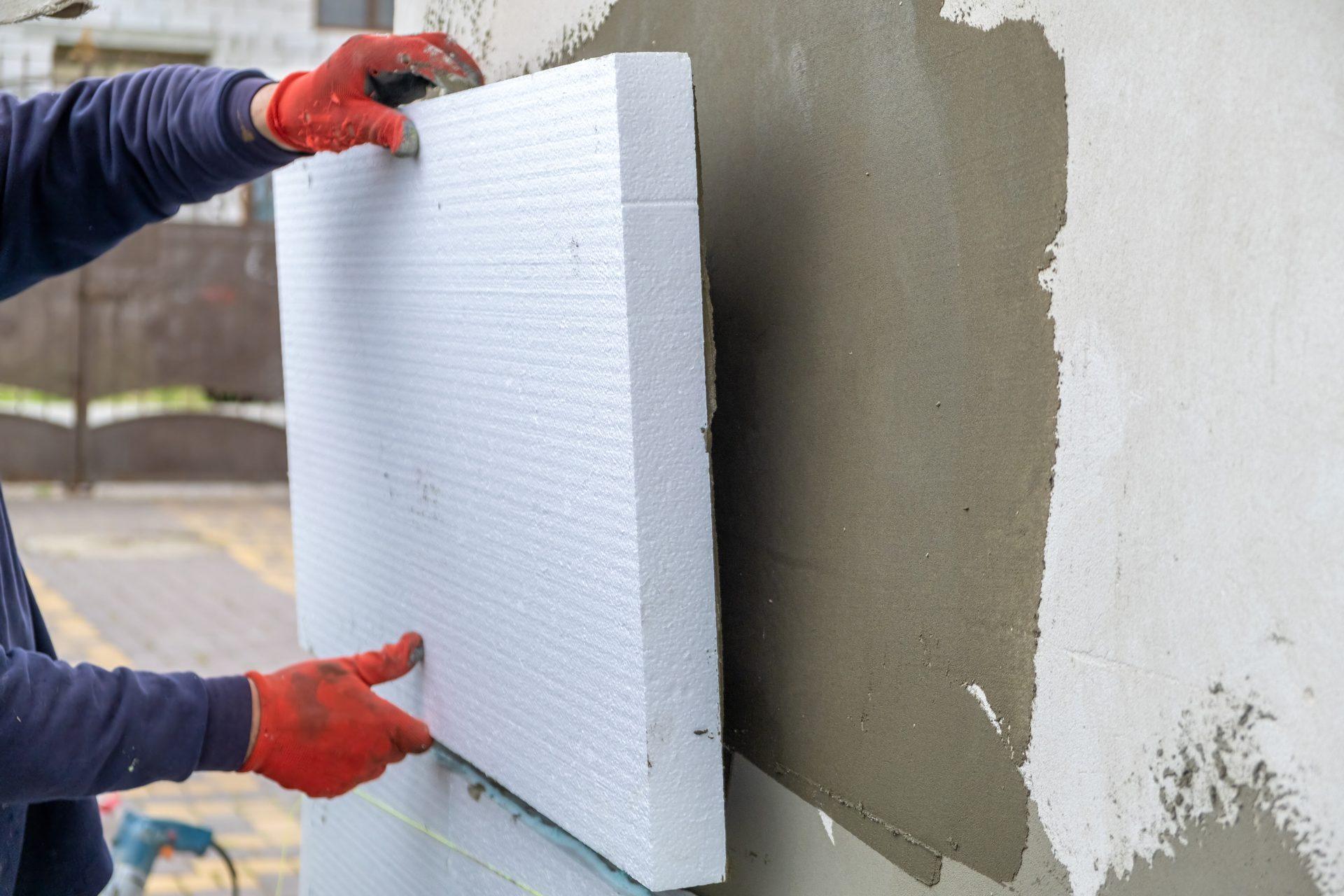
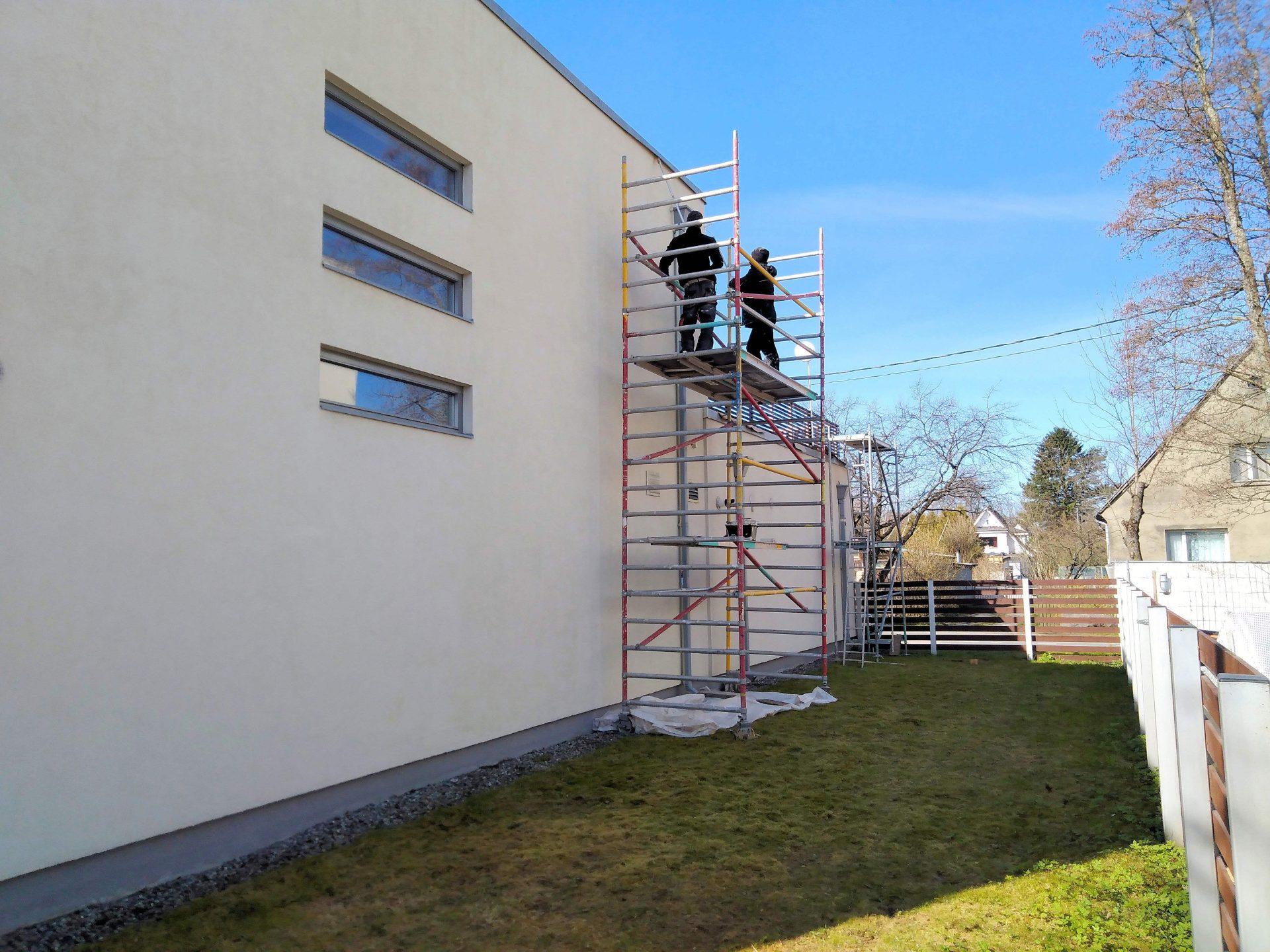
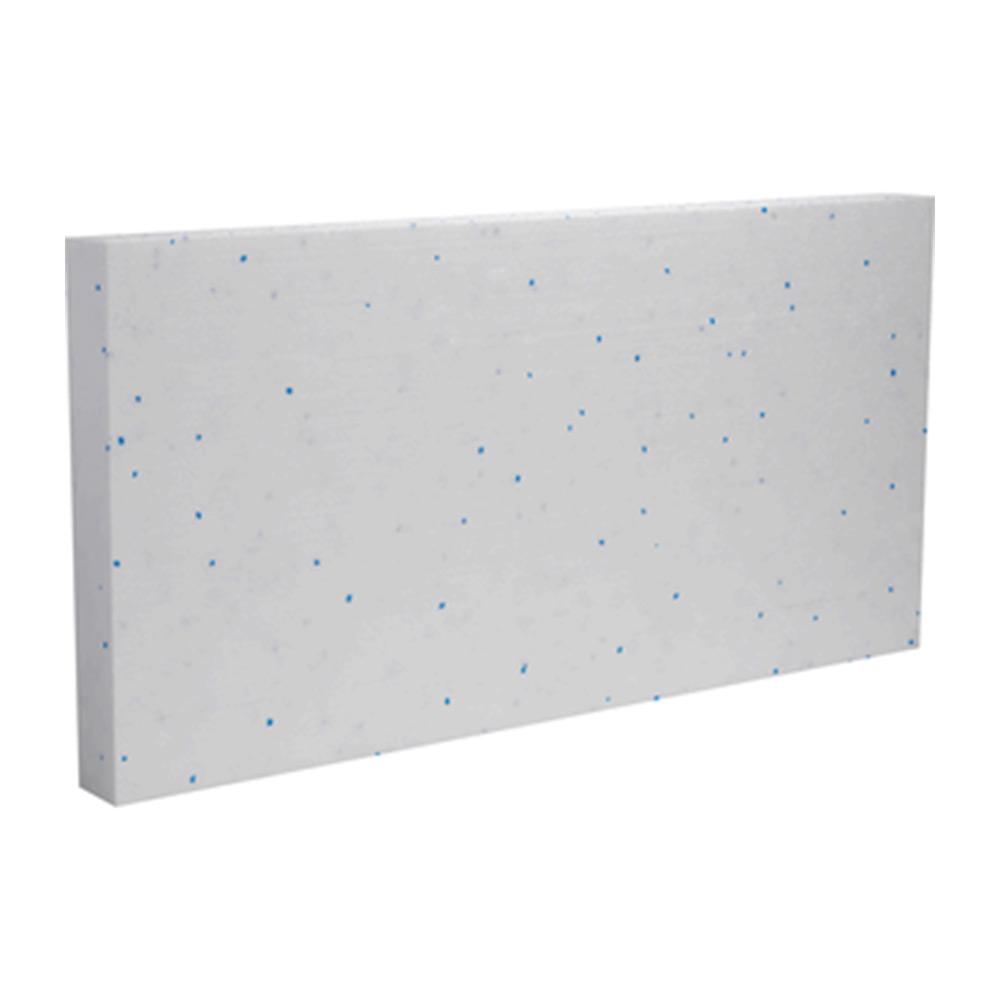
Insulating a façade from the outside begins with choosing the insulation panel to be fitted to the wall – either glued and/or fixed with dowels – before applying the render or cladding. This category covers the three types of panels used for external thermal insulation (ETI) in France, Belgium and French-speaking Switzerland, where the term ‘peripheral insulation’ is also used: expanded polystyrene (EPS), non-combustible rock wool and bio-based wood fibre.
Categories
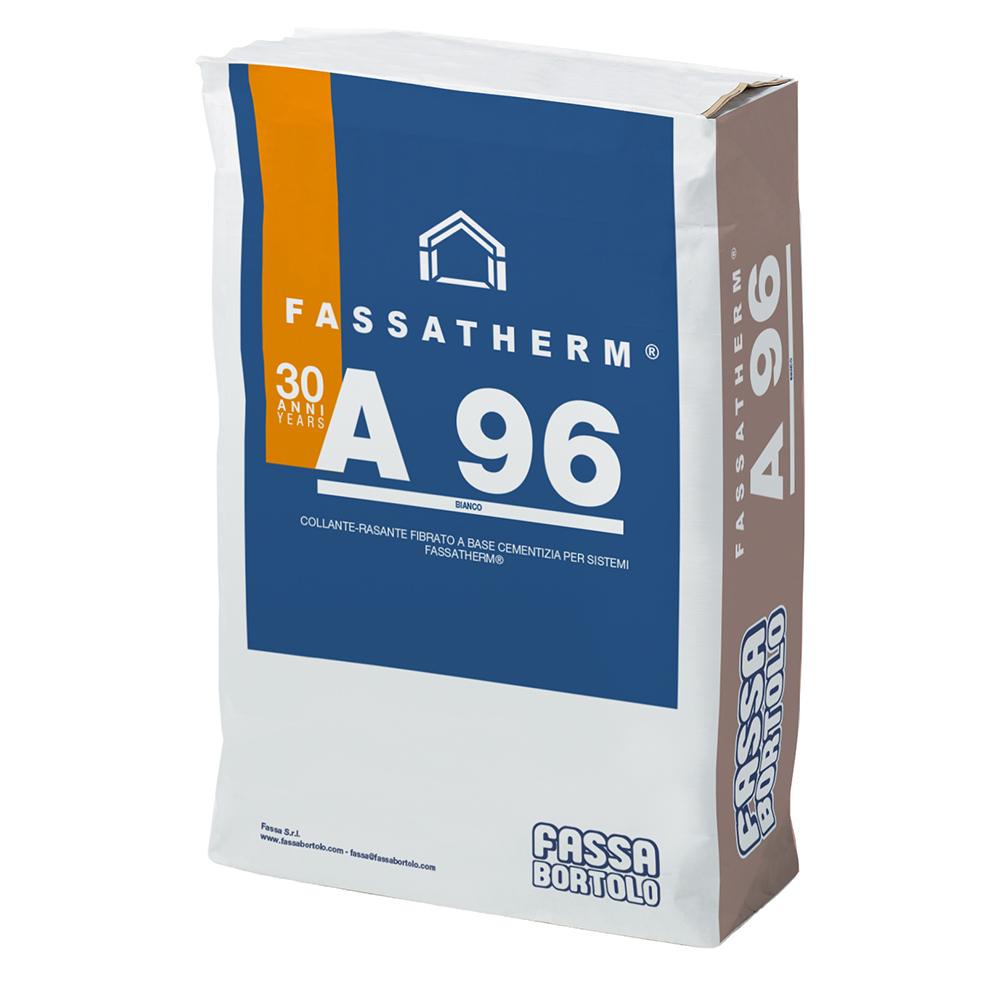
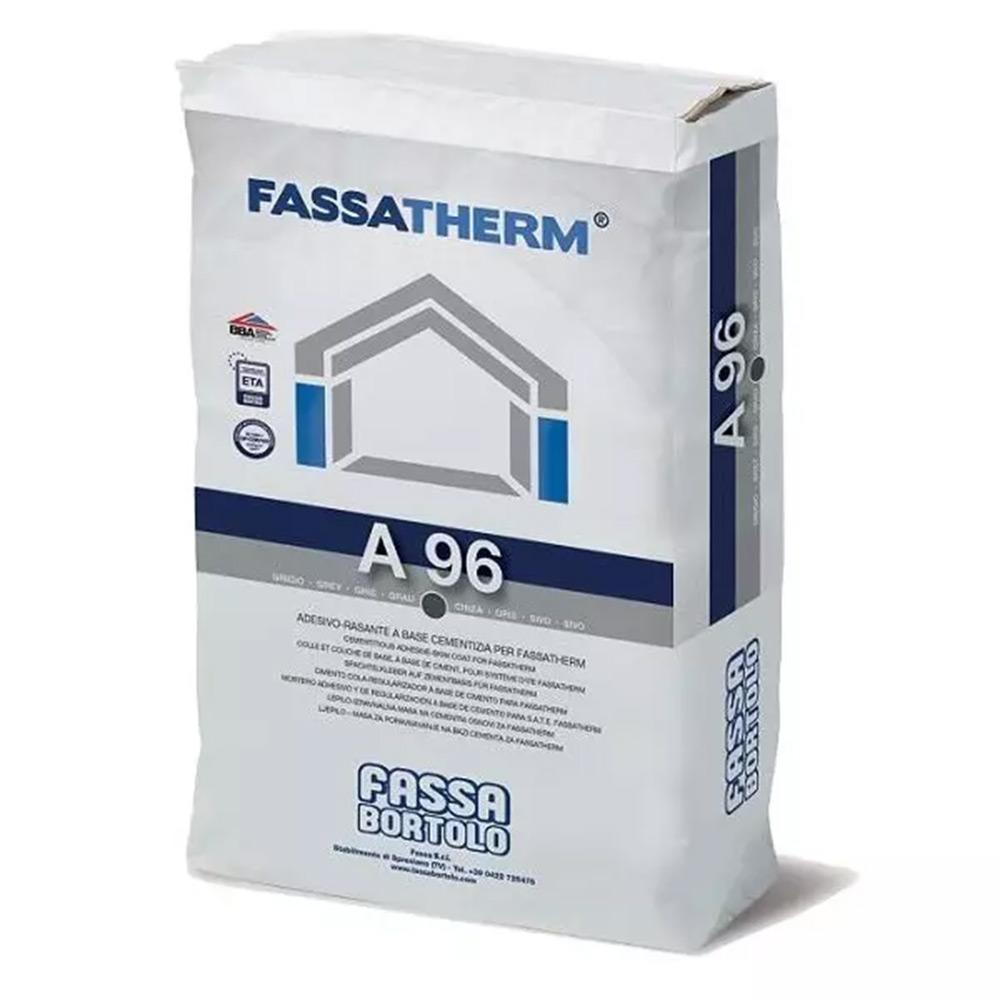
A 96 Extra Blanc is a white cement-based mortar designed for bonding insulation boards and creating the reinforced base coat in external thermal insulation systems (ETIS). Versatile and easy to apply, it offers excellent adhesion to compatible substrates and provides a high-quality base for the final façade finish.
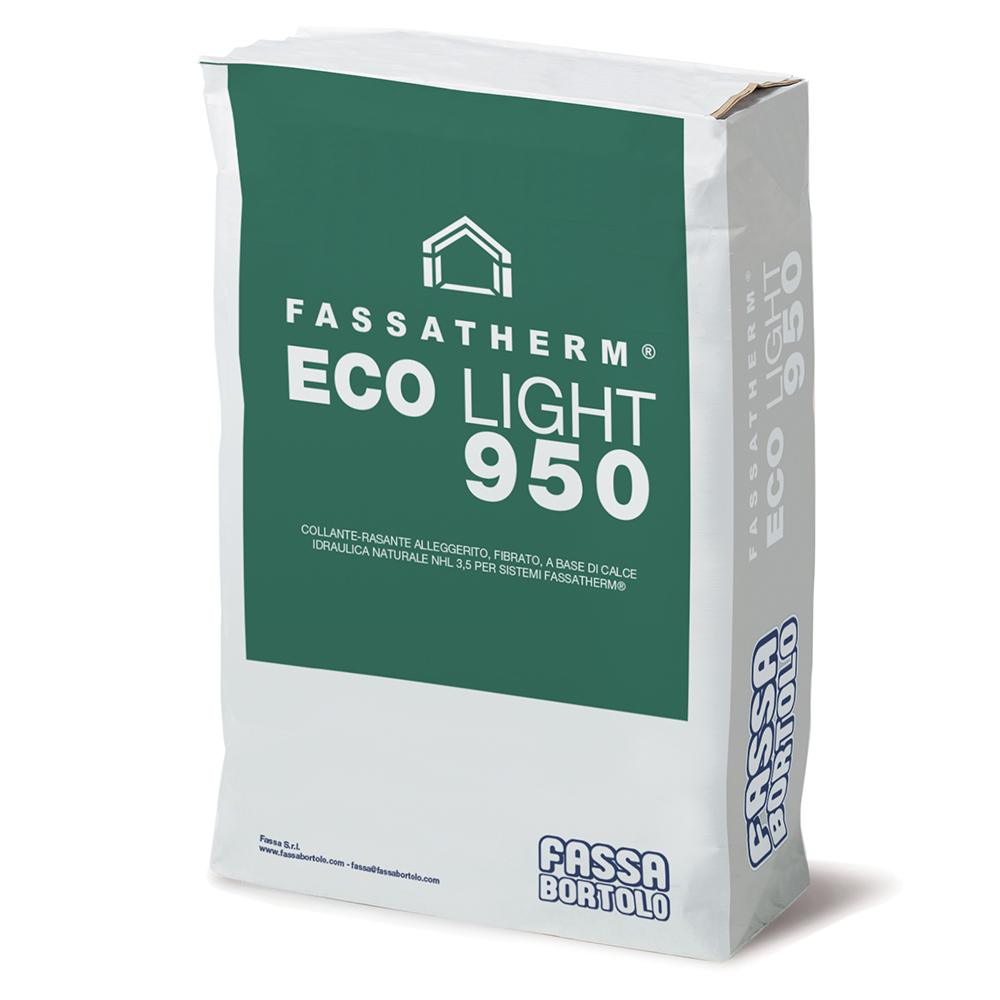
ECO-LIGHT 950 is a lightweight mortar based on natural hydraulic lime (NHL 3.5), designed for bonding insulation boards and forming the base layer of external thermal insulation systems (ETIS). Its formulation offers excellent workability whilst promoting the breathability of façades.
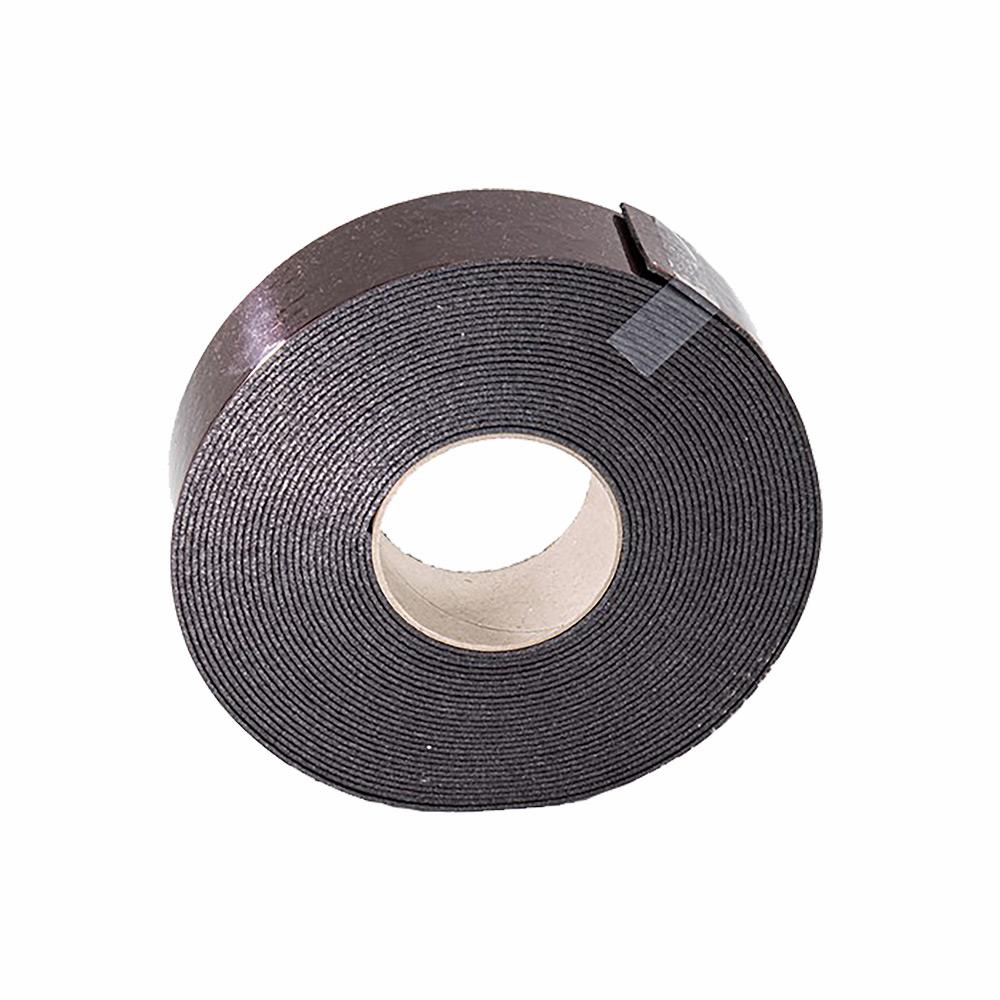
The FKL Kardigan fire barrier strip, 180 mm thick, is an ACERMI-certified rock wool fire barrier designed for external thermal insulation systems (ETIS). Measuring 1200 x 200 mm, it is integrated into the façade to limit the spread of fire through the insulated wall.
Non-combustible and compatible with the main rendered EWI systems, this strip meets the regulatory fire safety requirements applicable to buildings open to the public and to multi-occupancy dwellings.
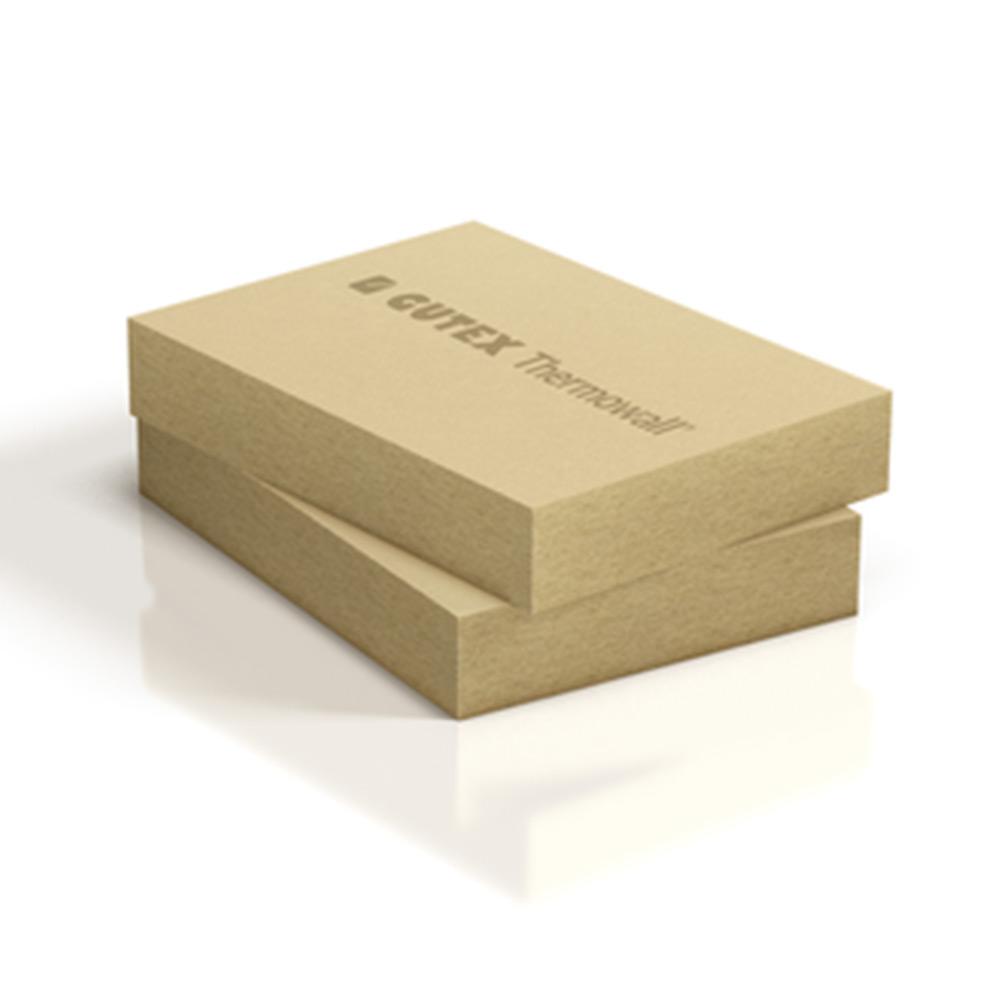
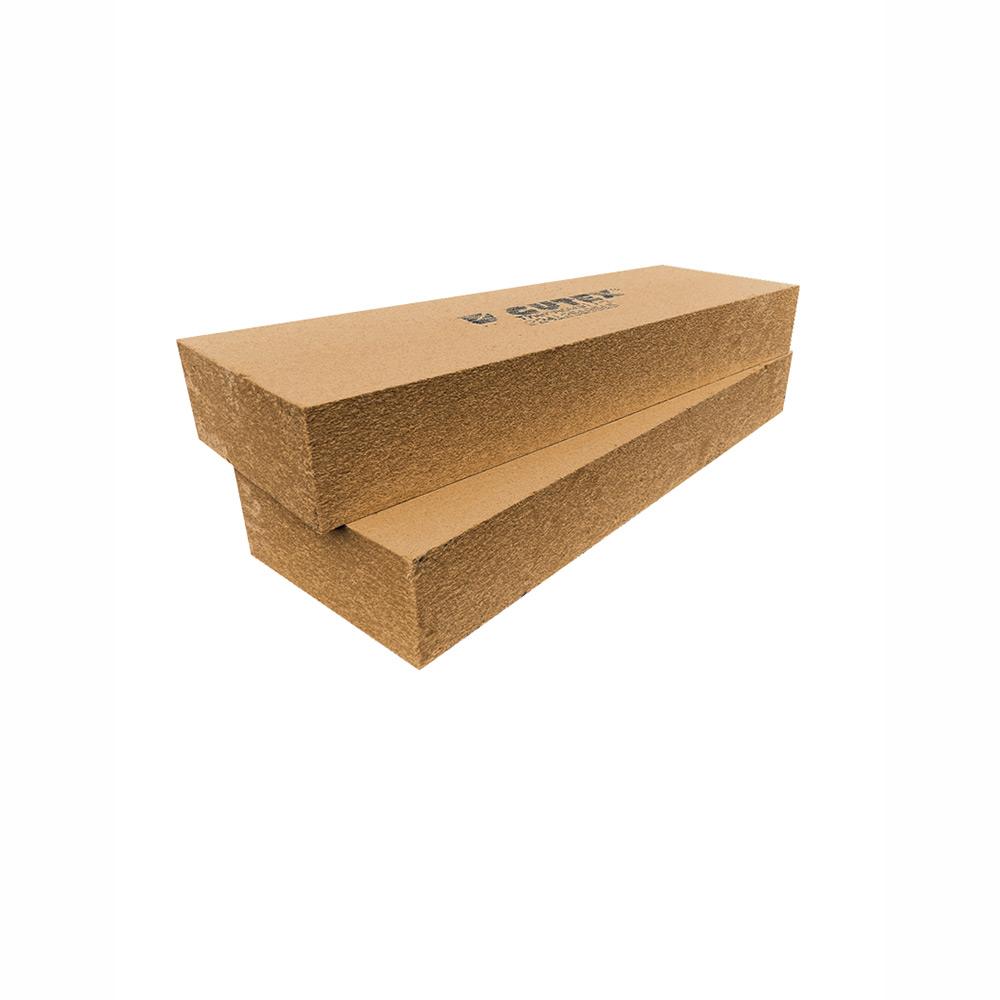
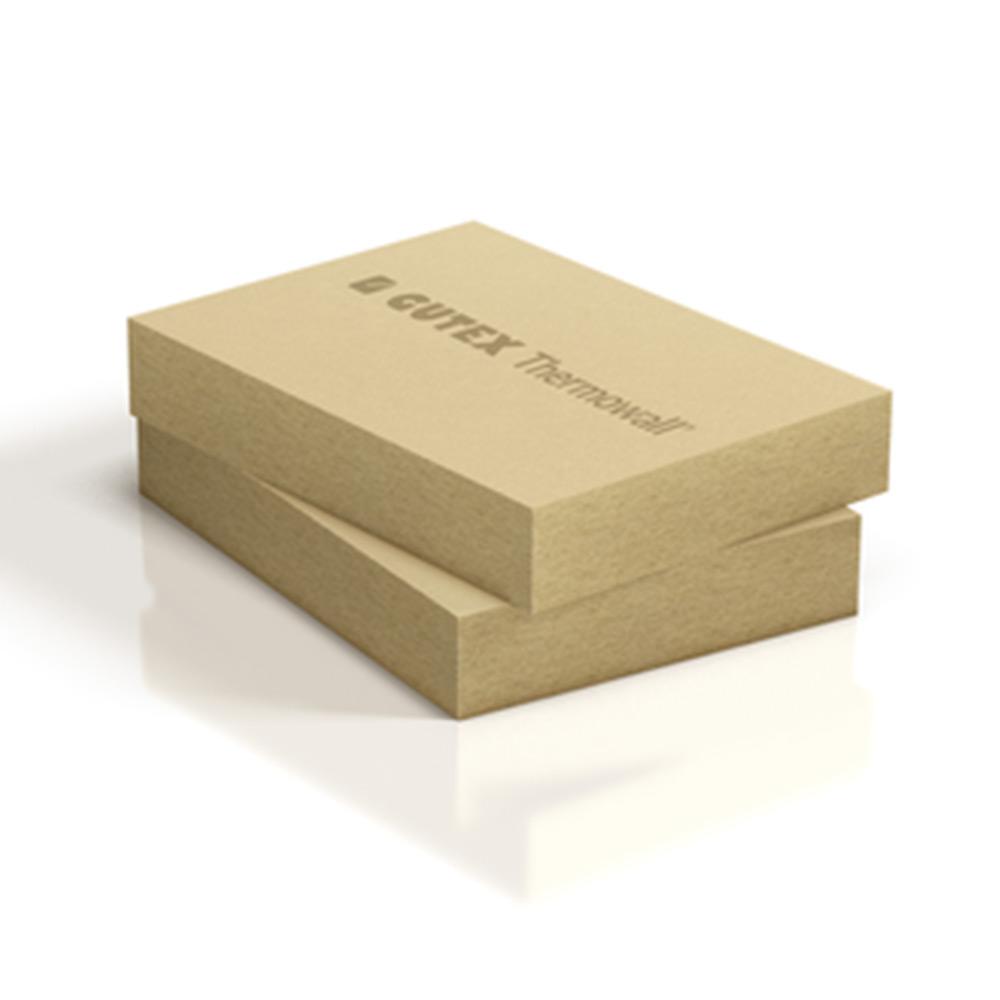
The 40 mm-thick GUTEX Thermowall window reveal panel is a wood fibre insulation product designed for use around window reveals and at critical points in external thermal insulation (ETI) systems. With a thermal resistance of R = 0.975 m².K/W, it complements Thermowall-L panels by minimising thermal bridges around openings.
Packaged in sheets measuring 1200 x 400 mm, it is easy to handle and cut on site, ensuring a neat finish to window reveals before the application of the façade render.
The 60 mm thick GUTEX Thermowall is a wood fibre render-bearing panel designed for external thermal insulation (ETI). With a thermal resistance of R = 1.50 m².K/W, it is suitable for façades where space is limited and for treating specific problem areas.
Denser than Thermowall-L, it offers high compressive strength – an advantage for a render substrate subject to stress – whilst retaining the qualities of wood fibre: thermal inertia, sound insulation and vapour permeability.
The GUTEX Thermowall-L, 100 mm thick, is a wood fibre render-bearing panel designed for external thermal insulation (ETI) of masonry, concrete or solid timber substrates. With a thermal resistance of R = 2.55 m².K/W, it is particularly suitable for renovation projects where the available thickness on the façade is limited (roof overhangs, street-facing facades, window sills).
Manufactured in Germany from fir and spruce, this board offers good dimensional stability, appreciable sound insulation and excellent thermal inertia, which helps to limit overheating in summer whilst retaining heat in winter.
The GUTEX Thermowall-L, 120 mm thick, is a wood fibre render-bearing panel designed for external thermal insulation (ETI) of masonry, concrete or solid timber substrates. With a thermal resistance of R = 3.05 m².K/W, it is particularly suitable for standard energy-efficiency renovations seeking a good balance between thickness and performance.
Manufactured in Germany from fir and spruce wood, this board offers good dimensional stability, appreciable sound insulation and excellent thermal inertia, which helps to limit overheating in summer whilst retaining heat in winter.
The GUTEX Thermowall-L, 140 mm thick, is a wood fibre render-bearing panel designed for external thermal insulation (ETI) of masonry, concrete or solid timber substrates. With a thermal resistance of R = 3.55 m².K/W, it is particularly suitable for projects requiring a thermal resistance greater than 3.5 m².K/W, a common standard in renovation work.
Manufactured in Germany from fir and spruce wood, this panel offers good dimensional stability, appreciable sound insulation and excellent thermal inertia, which helps to limit overheating in summer whilst retaining heat in winter.
The GUTEX Thermowall-L, 160 mm thick, is a wood fibre render-bearing panel designed for external thermal insulation (ETI) of masonry, concrete or solid timber substrates. With a thermal resistance of R = 4.10 m².K/W, it is particularly suitable for high-performance renovations and new builds requiring a thermal resistance greater than 4 m².K/W.
Manufactured in Germany from fir and spruce, this board offers good dimensional stability, appreciable sound insulation and excellent thermal inertia, which helps to limit overheating in summer whilst retaining heat in winter.
GUTEX Thermowall-L, 180 mm thick, is a wood fibre render-bearing board designed for external thermal insulation (ETI) of masonry, concrete or timber-frame structures. With a thermal resistance of R = 4.85 m².K/W, it forms part of the eco-friendly Thermowall EWI system, combining thermal performance, summer comfort and environmental sustainability.
Manufactured in Germany from fir and spruce wood, this panel offers good dimensional stability, appreciable sound insulation and excellent thermal inertia, which helps to limit overheating in summer whilst retaining heat in winter.
GUTEX Thermowall-L, 200 mm thick, is a wood fibre render-bearing board designed for external thermal insulation (ETI) of masonry, concrete or timber-frame structures. With a thermal resistance of R = 5.40 m².K/W, it delivers enhanced performance as part of the eco-friendly Thermowall ETICS system.
Manufactured in Germany from fir and spruce wood, this board combines high thermal insulation, good sound insulation and high thermal mass – a benefit for comfort in summer and energy savings in winter.
The GUTEX Thermowall-L, 220 mm thick, is a wood fibre render-bearing panel designed for external thermal insulation (ETI) of masonry, concrete or solid timber substrates. With a thermal resistance of R = 5.60 m².K/W, it is particularly suitable for projects requiring very high energy performance, in both new builds and major refurbishments.
Manufactured in Germany from fir and spruce wood, this panel offers good dimensional stability, appreciable sound insulation and excellent thermal inertia, which helps to limit overheating in summer whilst retaining heat in winter.
The GUTEX Thermowall-L, 240 mm thick, is a wood fibre render-bearing panel designed for external thermal insulation (ETI) of masonry, concrete or solid timber substrates. With a thermal resistance of R = 6.15 m².K/W, it is particularly suitable for projects requiring very high energy performance (low-energy buildings, ambitious renovations).
Manufactured in Germany from fir and spruce wood, this board offers good dimensional stability, appreciable sound insulation and excellent thermal inertia, which helps to limit overheating in summer whilst retaining heat in winter.
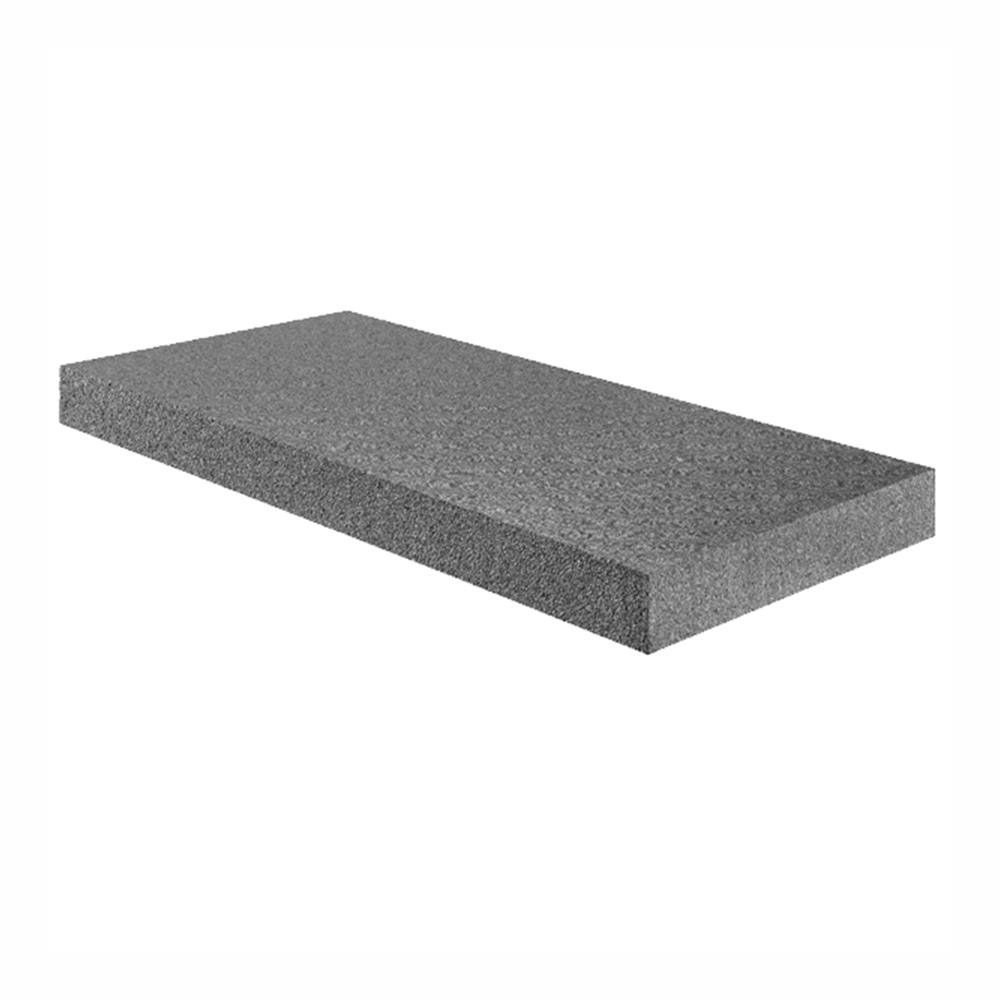
The ISOLITEX GRIS 31 panel from ISOL France, an external thermal insulation panel, is available here in a thickness of 60 mm, offering a thermal resistance of R = 1.90 m².K/W. With a thermal conductivity of 0.031 W/(m·K) and dimensions of 1200 x 600 mm, it is an ACERMI-certified solution suitable for masonry, concrete or timber-frame façades, installed using adhesive and/or fixings.
This grey panel combines lightness, ease of cutting and compatibility with ETICS systems covered by technical approval, for both new builds and controlled energy-efficiency refurbishments.
The ISOLITEX 32 panel from ISOL France, an external thermal insulation product, is available here in a thickness of 180 mm, offering a thermal resistance of R = 5.60 m².K/W. With a thermal conductivity of 0.032 W/(m·K) and dimensions of 1200 x 600 mm, it is an ACERMI-certified solution suitable for masonry, concrete or timber-frame façades, installed using adhesive and/or fixings.
This grey panel combines lightness, ease of cutting and compatibility with ETICS systems covered by a technical approval, for both new builds and controlled energy-efficiency refurbishments.
The ISOLITEX 32 panel from ISOL France, an external thermal insulation product, is available here in a 50 mm thickness, offering a thermal resistance of R = 1.55 m².K/W. With a thermal conductivity of 0.032 W/(m·K) and dimensions of 1200 x 600 mm, it is an ACERMI-certified solution suitable for masonry, concrete or timber-frame façades, installed using adhesive and/or dowels.
This grey panel combines lightness, ease of cutting and compatibility with ETICS systems covered by technical approvals, for both new builds and controlled energy-efficiency refurbishments.
The choice between EPS, rock wool and wood fibre depends primarily on the nature of the substrate and the level of fire safety requirements. EPS, which is cost-effective and easy to cut on site, is suitable for most masonry or concrete façades; however, its Euroclass E fire reaction rating sometimes requires the installation of continuous rock wool fire barriers on upper floors or at specific points, depending on the regulations applicable to the building in question. Rock wool, which is non-combustible (Euroclass A1), is the preferred choice for buildings subject to stricter requirements, terraced houses or projects where fire safety is a priority; it also offers good acoustic performance. Wood fibre appeals to both private individuals and professionals undertaking bio-based energy-efficient refurbishment projects, particularly on timber-frame structures, due to its renewable origin and good thermal inertia, although it is generally priced higher than expanded polystyrene (EPS). In all cases, the thickness of the board must be determined based on the target thermal resistance (R-value) for the project, and not solely on the available budget.
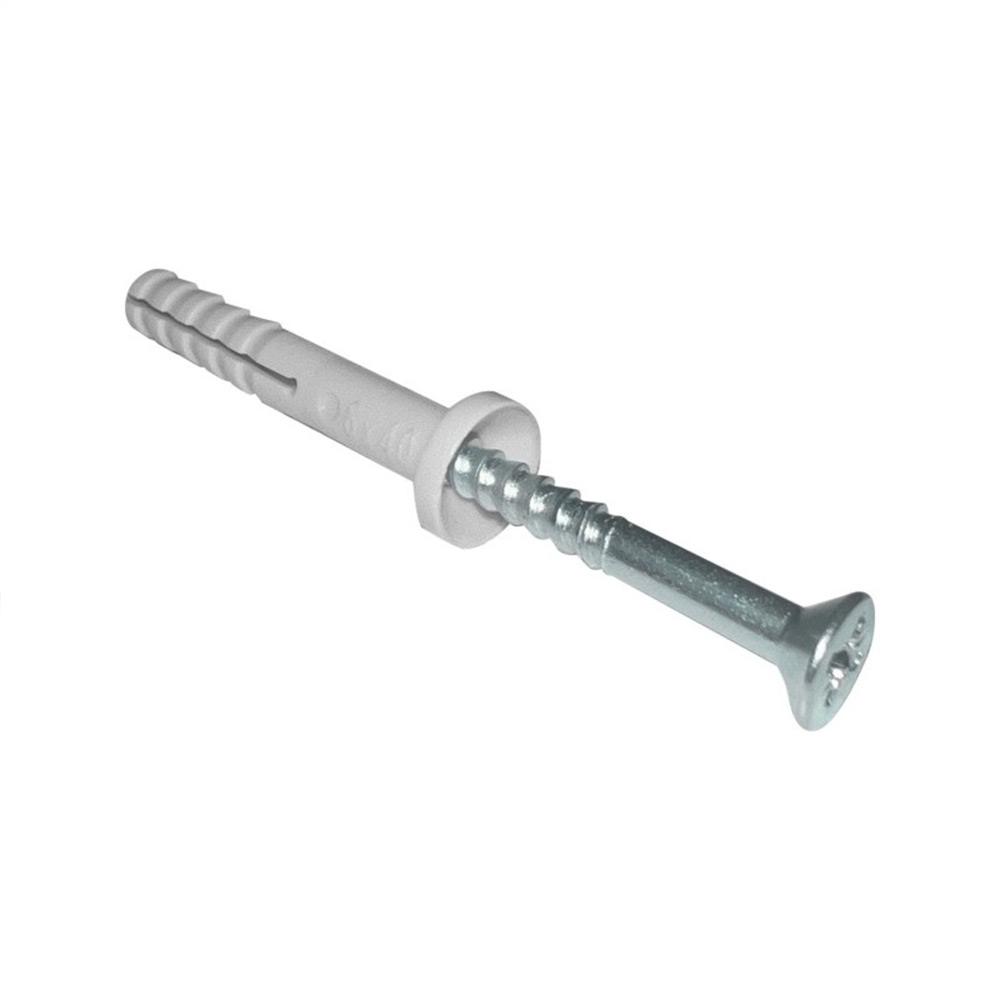
In new-build projects, the choice of insulation board is generally made in line with the requirements of the current thermal regulations and the recommendations of the ETICS system selected by the project manager. In energy-efficient refurbishment, external insulation allows thermal bridges on the façade to be addressed without reducing the living space or requiring occupants to be rehoused during the works, which explains its frequent use on older buildings in France, Switzerland and Belgium. Installation remains a technical process, however: preparing the substrate, laying out the panels with staggered joints, fixing them using adhesive and/or dowels depending on the building’s height and the nature of the wall, then incorporating a fibreglass mesh before the final finish. For private individuals, this stage is generally entrusted to a qualified professional, particularly when applying for financial assistance for energy-efficiency renovations, as these schemes may require the use of a certified contractor. Building professionals, for their part, will find here the same product specifications as those used on their day-to-day projects, with the same sizes and thicknesses to facilitate bulk ordering.